
Although estate planning is important for everyone, it is particularly valuable for unmarried partners. With the right estate planning tools, you can help ensure that your partner can make important decisions for you if you become incapacitated and/or inherit money and property if you pass away. Your estate planning tool kit will consist of 7 important documents, including: A last will and testament A revocable living trust (RLT) A pour-over will Financial power of attorney Medical power of attorney Advance health care directive(s) A HIPPA authorization form At Legacy Law Centers, we can help you with all of the above documents, and we will go into more…Read More

Confused about the differences between a will and a trust? If so, you are not alone. While it is always wise to contact experts like us, it is also important to understand the basics. We’ve prepared an easy-to-read reference guide below to help you get up to speed as soon as possible! Advantages Of A Revocable Living Trust Over A Will Avoid conservatorship and guardianship: A revocable living trust allows you to name your spouse, partner, child, or another trusted person to manage money and property you placed in a trust, should you become unable to manage your own affairs. A…Read More

While many of the people who visit our law firm understand that having a comprehensive estate plan is smart if you want to protect your future and family, we also encounter those who don’t follow through and fail to start planning. But do you know what happens if die without crucial estate planning tools? Here is what will generally happen if you die without a will or trust, also known as interstate, and what will happen with a will, and with a revocable living trust. For this example, we assume you have two children, but no spouse: Intestate If you die intestate, then all of the accounts and…Read More
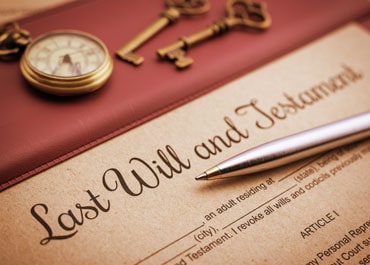
Will vs. Trust Wills and trusts may seem like very similar estate planning options, and while there are similarities, there are specific differences in how they function: A will is a legal document that designates how you want your assets handled after you die A trust is a fiduciary arrangement, that allows a thirds party to hold and manage assets for the benefit of a specific purpose or person DO YOU NEED A WILL OR TRUST? Are you one of the 60% of Americans (via AARP) that doesn’t have an estate plan, a will, or a trust set up? Are you hesitant…Read More


